Pest problems can interrupt daily operations, affect the customer experience, and create avoidable maintenance concerns. For businesses in North Alabama, a practical pest management plan starts with understanding where pests enter, what attracts them, and how to reduce conditions that allow problems to return.
Whether you manage an office, retail space, restaurant, warehouse, or another commercial property, the goal is the same: identify risks early and address them before a small issue becomes a larger disruption.
Why commercial pest control requires a business-specific plan
Commercial buildings are not all alike. A warehouse may have loading doors and stored materials; a restaurant may have food-handling and waste-management concerns; an office may face occasional pests entering through doors, utility penetrations, or shared walls. A useful service plan accounts for the building layout, activity patterns, and the type of pest pressure present.
Rather than treating every property the same way, begin with an inspection and a conversation about the business’s operations. Areas with recurring moisture, clutter, gaps around doors, and exterior vegetation can be important places to examine.
Common pest risks for North Alabama businesses
Ants, cockroaches, rodents, spiders, and other pests can enter commercial properties in search of food, water, or shelter. The specific risk depends on the property and season. Pest sightings should be documented, including where and when they occur, so that patterns can be investigated instead of relying on guesswork.
Rodent activity deserves particular attention around storage areas, wall penetrations, and exterior doors. Insects may be associated with spills, moisture, waste areas, or cracks and gaps. The presence of any one pest does not automatically mean an infestation, but repeated sightings warrant closer inspection.
What a practical commercial pest management approach includes
- Inspection and identification. Determine what pest is present and examine likely entry points, harborage areas, and contributing conditions.
- Prevention recommendations. Review sanitation, waste handling, moisture issues, door sweeps, and sealing opportunities that the business can address.
- Targeted treatment when appropriate. Select methods based on the pest, property conditions, applicable label directions, and business needs.
- Follow-up and communication. Track findings and recurring activity so the business can assess whether the approach is working and where adjustments are needed.
Questions to ask before choosing a commercial pest control provider
Ask how the company evaluates a commercial property, how it communicates findings, and what information it needs about your operations. Discuss service frequency based on actual risk rather than assuming every business needs the same schedule. Also ask how access, operating hours, and any sensitive areas will be handled.
A clear proposal should explain the scope of service and expectations on both sides. Business owners and property managers should understand which preventive actions are their responsibility and how to report new pest activity between visits.
Commercial pest control in Madison, Huntsville, Decatur, and Athens
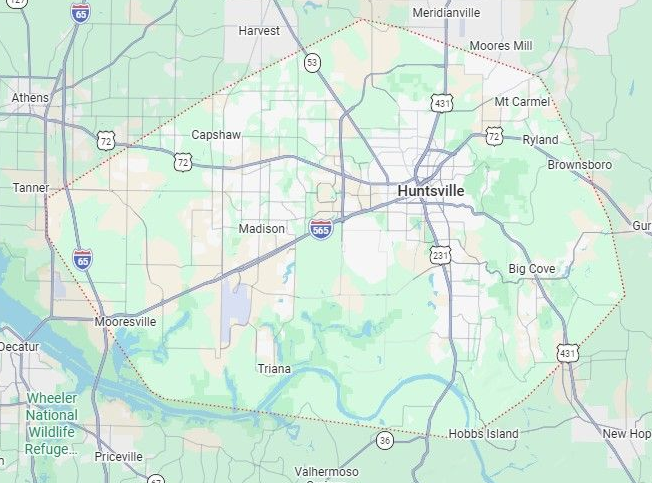
Pest King LLC serves businesses in Madison, Huntsville, Decatur, Athens, North Alabama, and surrounding areas. If your business is evaluating commercial pest control, the next step is to discuss your property, concerns, and service needs so an appropriate approach can be considered.
Frequently asked questions
How often should a business schedule pest control?
The appropriate frequency depends on the building, pest history, activity level, and risks. An inspection can help determine a suitable plan.
Can pest prevention help even when no pests are visible?
Yes. Reviewing entry points, moisture, sanitation, and storage practices can help reduce conditions that attract pests.
What should employees do if they see a pest?
Record the date, location, and type of activity if possible, then notify the designated manager or service contact. Avoid disturbing evidence that may help identification.
Does commercial pest control work the same way for offices and warehouses?
No. Property use, layout, storage, traffic, and access points differ, so assessment and recommendations should reflect the site.